
I spent 7 years getting a PhD in Ecology studying the ecology, management and marketing of non-timber forest products in a Tembé Indian village in the eastern Brazilian Amazon. I learned a lot about how to count trees and measure fruits, vines, and resins, and saw first-hand how people who live in tropical forests use diverse plants for food, medicine and other practical objects. My research also confirmed, however, that it is very hard for them to make much money selling sustainably harvested plant products in a raw form. I also had invaluable and sometimes painful experiences dealing with about the social aspects of living and working in an indigenous community which I never studied in the classroom.
My goal in starting the Center for Amazon Ecology 20 years ago was to use all of these lessons to help people in forest-based communities in the Peruvian Amazon to make and market innovative and value-added non-timber forest products so they could make a living from the forest without damaging it. I most wanted to work with communities in or near important protected areas since they would presumably have an incentive to treat the forest with care and serve as a bulwark against outsiders who might exploit their resources for short-term gain.
Our first project was studying the ecology and harvest of the resin of copal trees. It was a fascinating natural history story because the resin lumps found on some trees were formed by the action of unnamed bark-boring weevils. Amazon people have used this resin for incense and caulking canoes for ages. We started studying copal trees to learn which species had and didn’t have the lumps and how long it took for weevils to reach maturity to develop guidelines for sustainable harvest. We experimented with wounding some copal trees in a plantation and found this was no more productive. We distilled aromatic resin samples from over a dozen species and found one that an essential oil expert thought was a strong novel candidate for aromatherapy or ingredient in custom fragrances. Unfortunately, the mathematical consequences of having a species rich forest means that there are usually very few individuals of most species. Despite conducting extensive forest surveys in four different watersheds, we never found a high enough concentration of valuable resin-yielding trees to sustain a commercially viable harvest.
On the third year of the project, I visited numerous indigenous and campesino communities in the region to expand the scope of our work that began at the Jenaro Herrera research station on the Ucayali River. While we focused on the copal investigations with men from several villages, we began to connect with an even larger number of women artisans who wanted to know if we could help them sell more crafts made with leaves they harvested from chambira palm trees in their farm plots and forest. They were used to selling hammocks, bags and simple seed-based jewelry to souvenir shops in Iquitos, so my goal was to see if we could develop new products with their traditional methods that I could sell for a better price in the U.S. We focused our early efforts working with Bora native artisans from the community of Brillo Nuevo on the Ampiyacu River. Our first new product was a collection of belts featuring the colorful patterns of Amazon jungle snakes. These were followed by guitar straps, bracelets, dog collars and leashes, and hat bands which carried similar patterns.
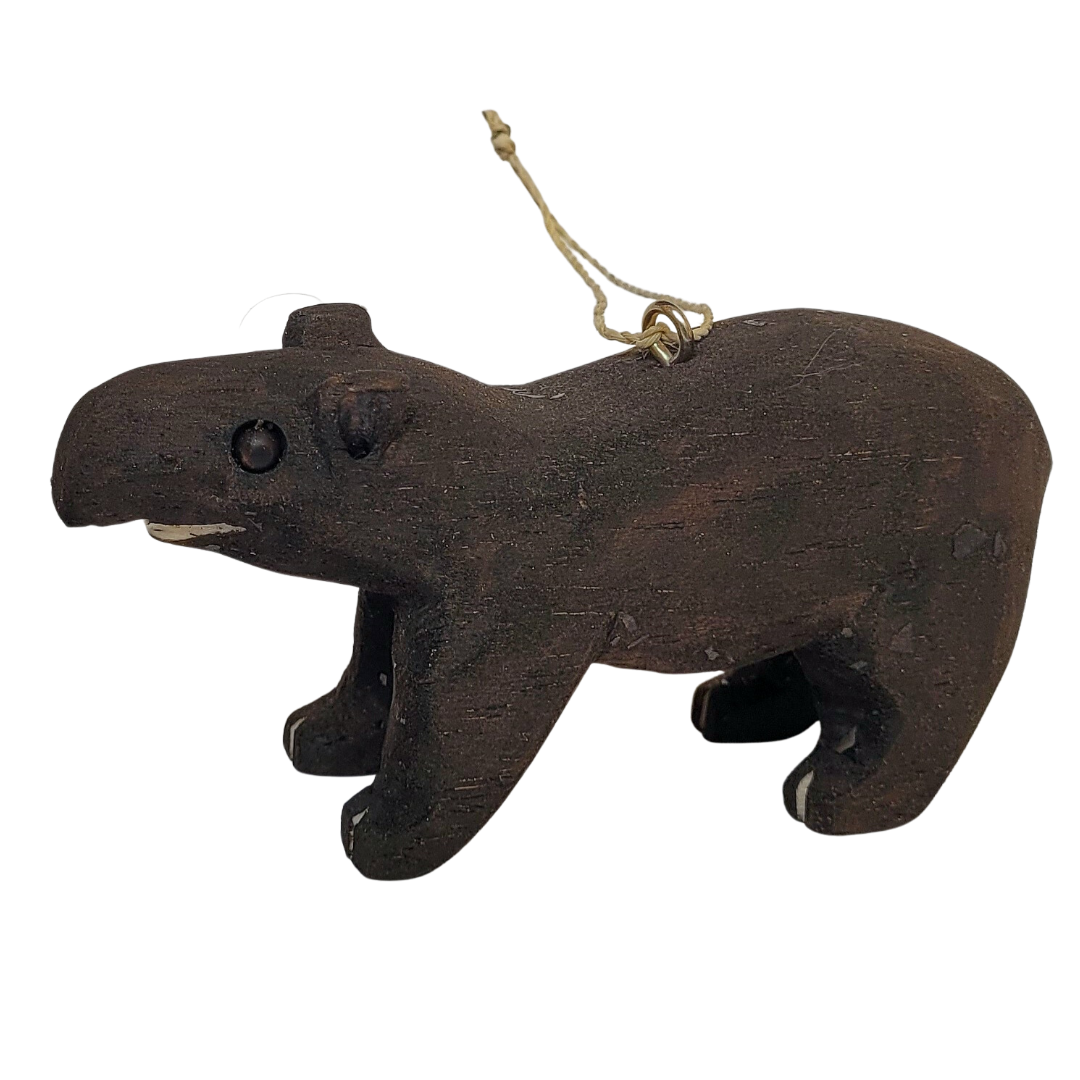
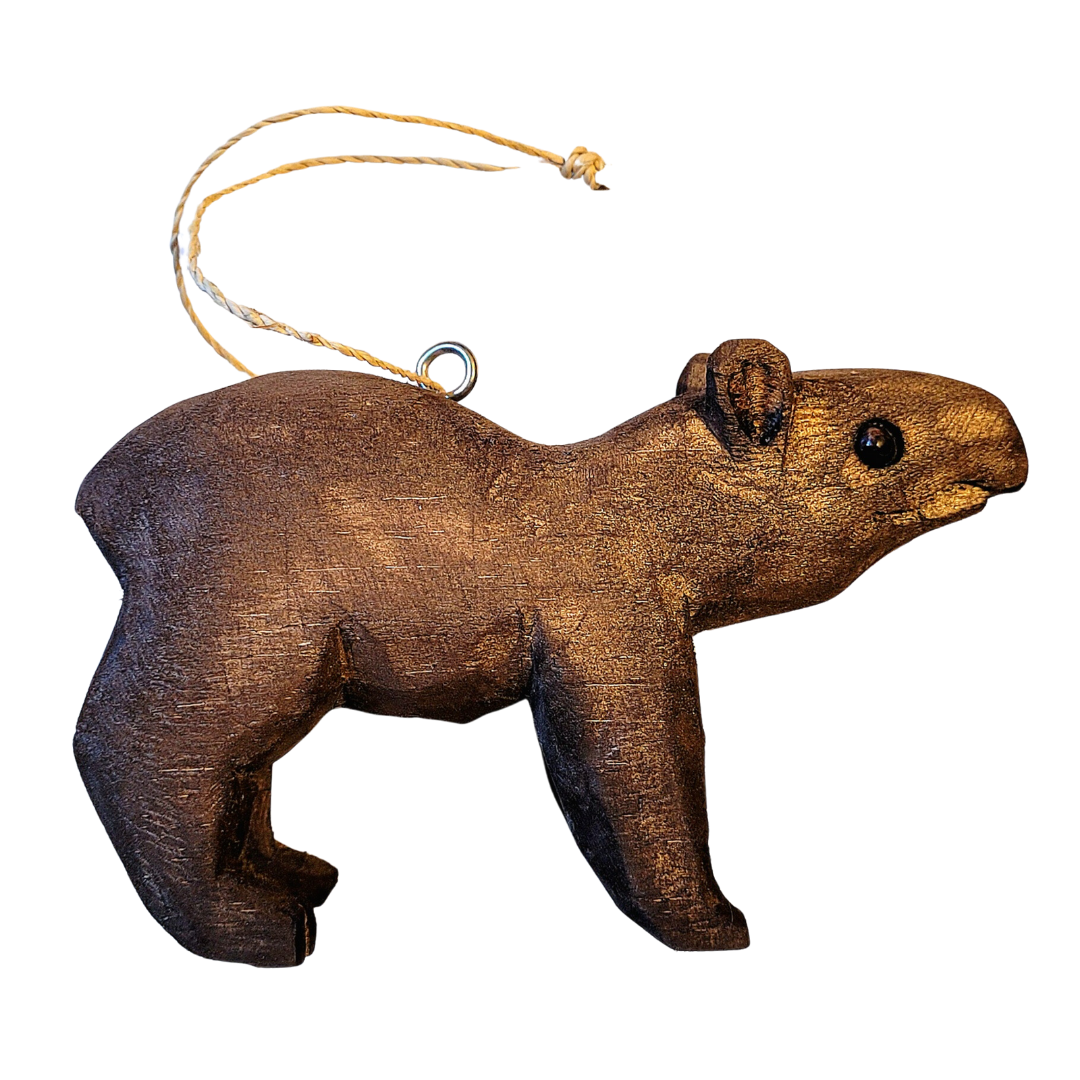
When political pressure built to work in other communities in this region, we landed on Christmas tree ornaments as a new category to try since our market for the other products wasn’t large enough to justify training more artisans to make them. The first ornaments that did well were calabash pods etched with animal figures, but we soon learned these were only made by a couple of men. Fortunately bottle carriers and hot pads made with chambira fiber emerged as new products that generated reasonable sales at the holiday fairs we were attending. Artisans from the campesino community of Chino on the Tahuayo River made beautiful baskets, woven pots and frogs that also did well, and a few artisan partners from Jenaro Herrera started to make woven insects.
Thanks to encouragement from a foundation, I met Robin – the founder and executive director of the NGO Camino Verde (a fellow GlobalGiving member) whose group was doing innovative agroforestry and reforestation on some land by the Tambopata River in the southern Peruvian Amazon. After visiting each other’s sites, we launched a joint project to plant some rosewood trees at Brillo Nuevo. This included phases to raise seedlings, transplant them to the fields of five families selected for the pilot project, train them how to properly prune and later harvest branches from the trees, then grind the branches, and finally distill these into an aromatic essential oil. Unlike copal, rosewood oil was very well known in the market. The biggest challenge was establishing a legal channel to export and sell this variety that was sustainably produced in a plantation since predatory harvested had rendered rosewood trees almost extinct in the wild. As Camino Verde’s ability to plant, harvest and distill oil from rosewood and other trees grew from hundreds to thousands of trees in more than a dozen communities in the region, we decided to leave this work to them and concentrate on developing handicrafts with our partners.
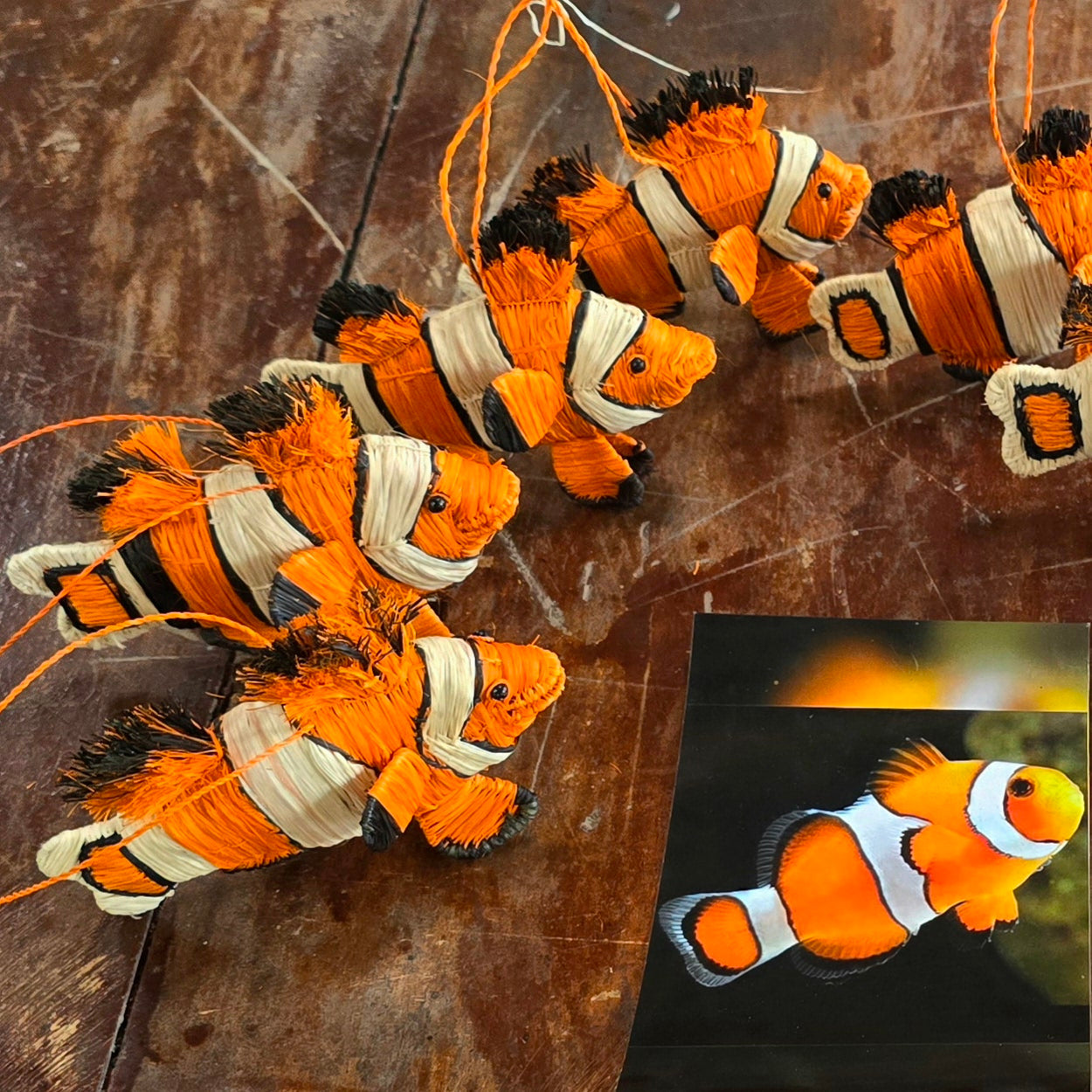
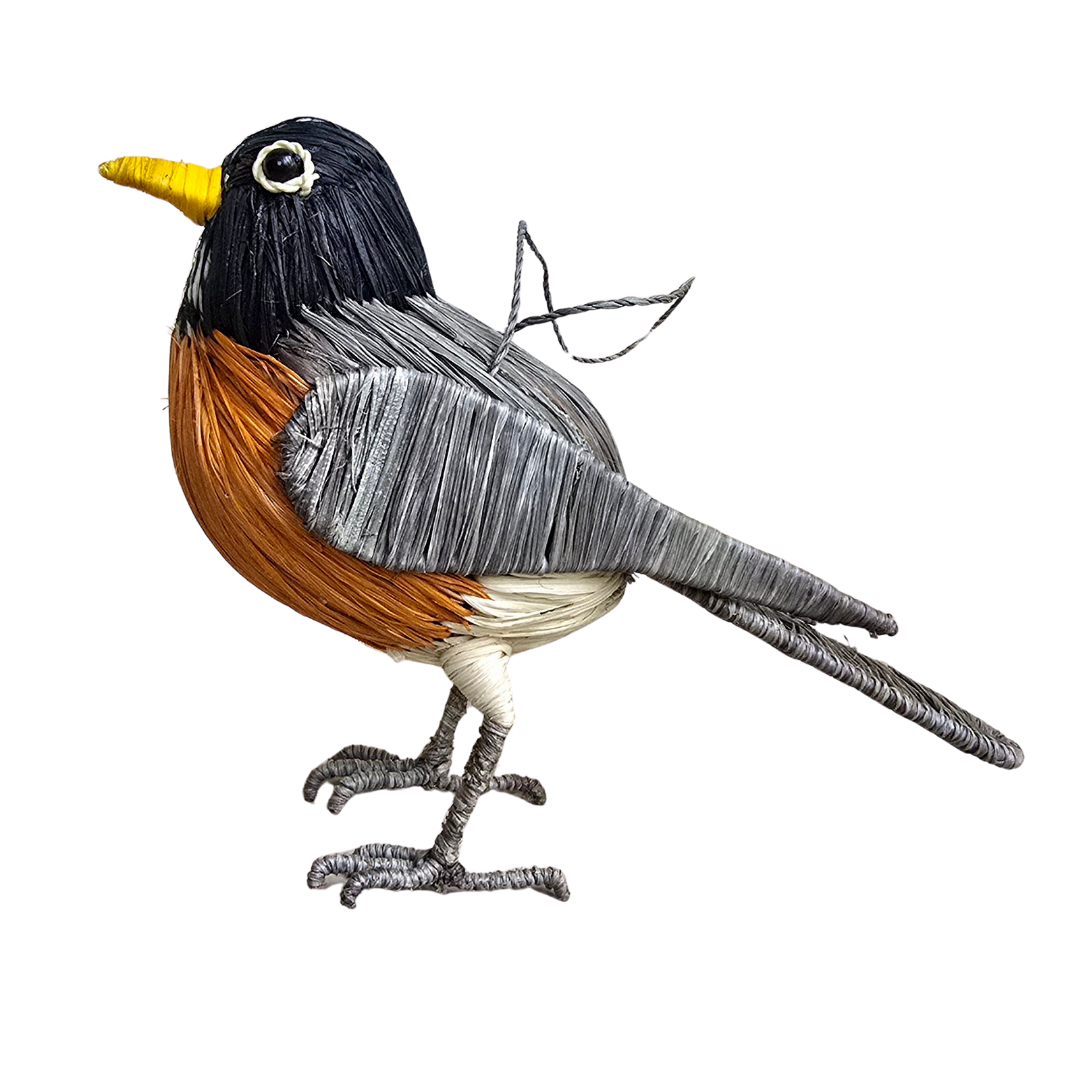
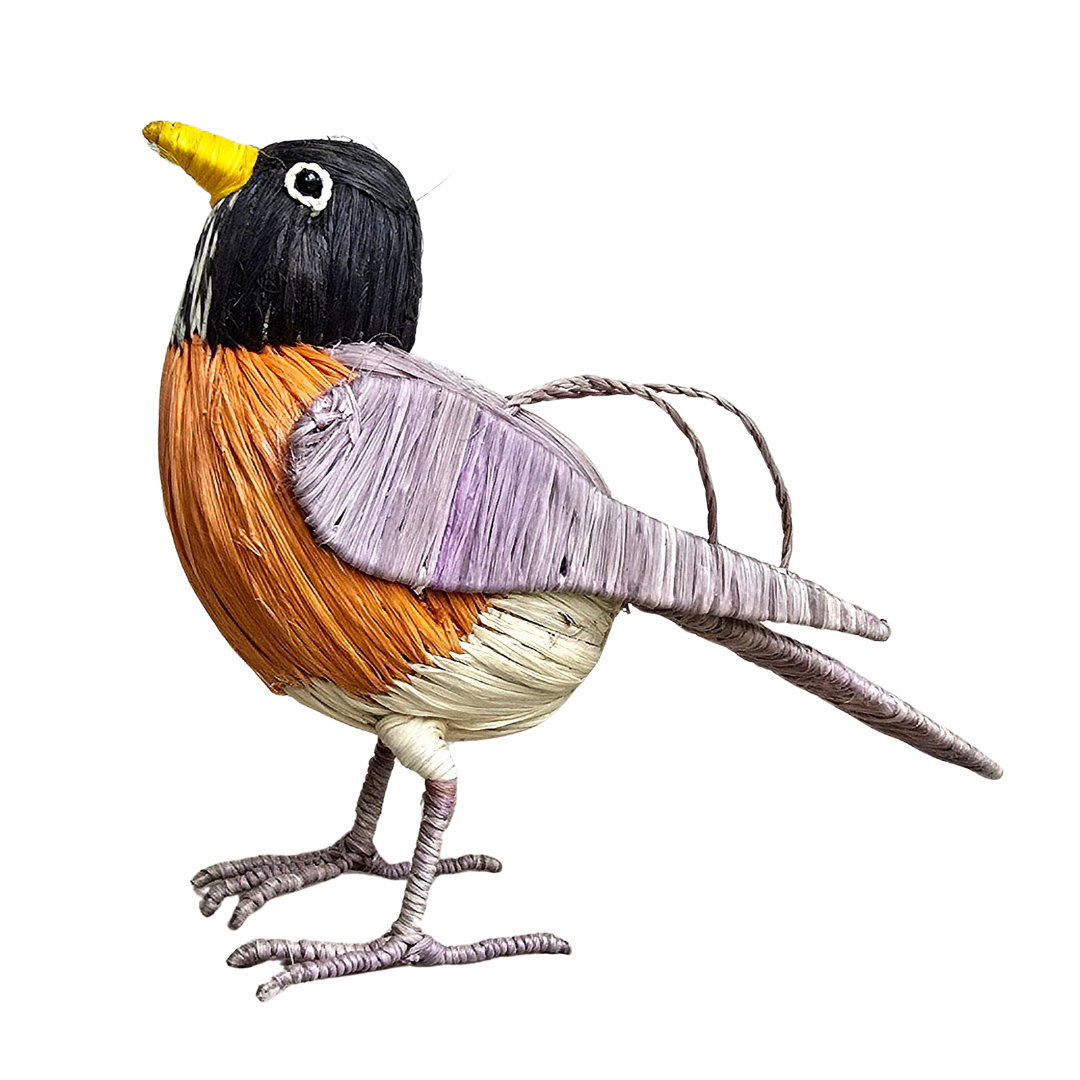
Another foundation introduced us to the NGO Minga Peru which was doing some programs to promote health and income generating projects with several communities in the Marañon River area. I was immediately excited when I visited the community of San Francisco and saw that their artisans were making bird ornaments to sell to tourists. Most of these were rustic and colorful herons, but the potential to build on this base was immediately obvious. Our main contribution to further develop this potential was to find and share photos of birds with the artisans and encourage them to make the birds as true to their species as was practical. We started asking them to make Amazon birds which they knew. While they could sell macaws and toucans to visiting tourists, people in the US were much more receptive to the birds they knew from their back yard feeders and waterways so we shifted the emphasis in our training workshops to birds like the cardinal, goldfinch, and great blue heron.
One challenge we faced early in our work with artisans was realizing that many of them were hesitant or unwilling to share their skills with their fellow artisans because they did not want to empower people they viewed as their competitors in a limited market. When we were able to contract a few experienced artisans to lead training workshops, it was distressing to see that being good at making new crafts did not necessarily mean they were good at teaching others how to do this with patience and compassion. Initial efforts to help artisans establish effective associations were also problematic because they were rife with mistrust. These challenges led me to integrate the Alternatives to Violence Project into our program. We much appreciated that the coordinator of the AVP program in Bolivia was willing to come to Peru three times to help lead the series of Basic, Advanced and finally Training for Facilitators workshops in several of our partner communities. Participants responded very positively to these workshops designed to help people improve their communication, cooperation and non-violent ways to resolve conflicts. AVP has not been a panacea that has solved all community problems, but it has helped raised the self-esteem of many people and brought harmony to some fractious relationships.
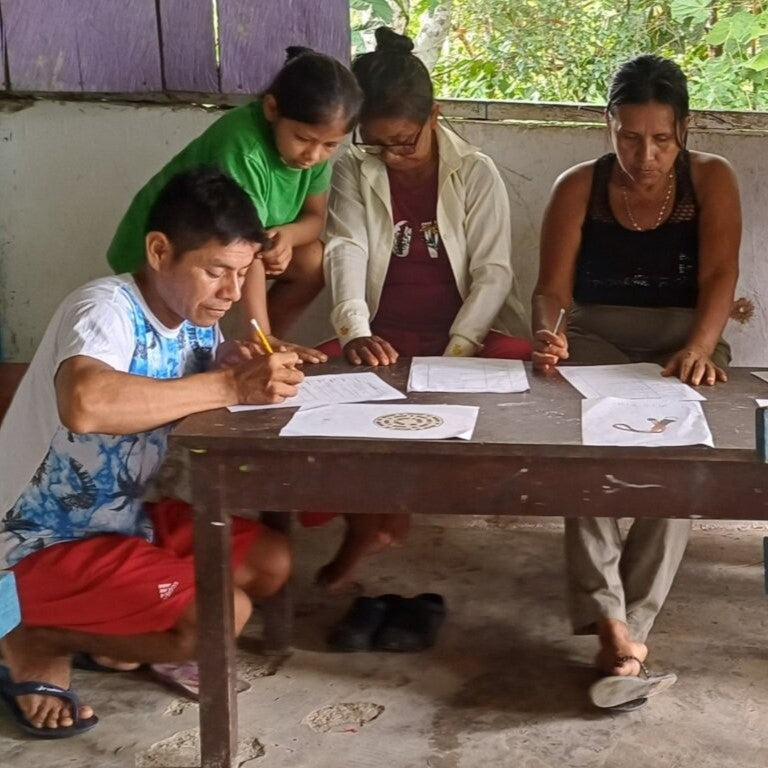
As the number of artisans and partner communities grew, we established a 3-tier series of training workshops based on the AVP model. Basic workshops would help artisans learn to make a new kind of craft, advanced workshops ensured they could make them to export quality and training for artisan facilitators helped talented artisans learn how to develop new crafts, work in teams and teach others.
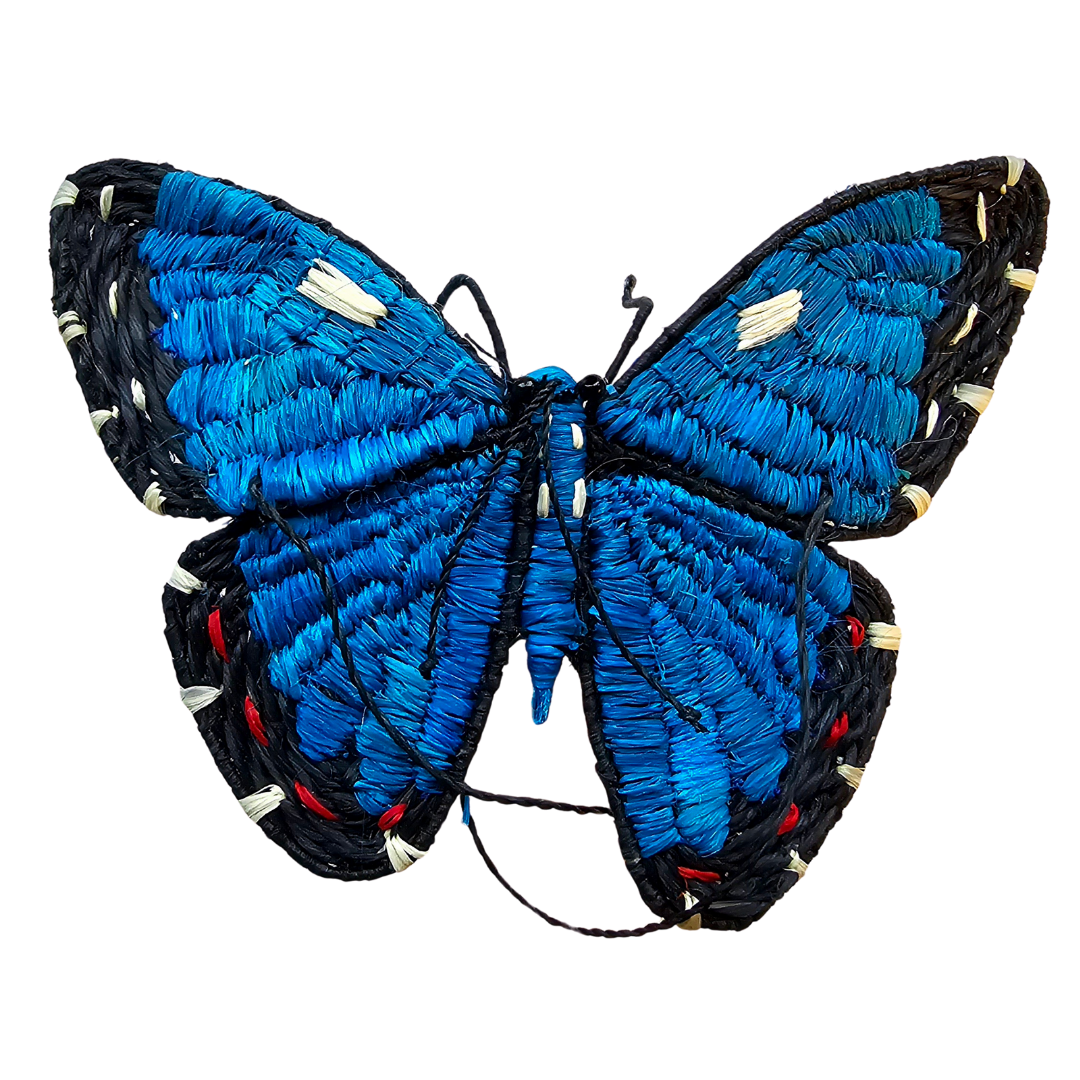
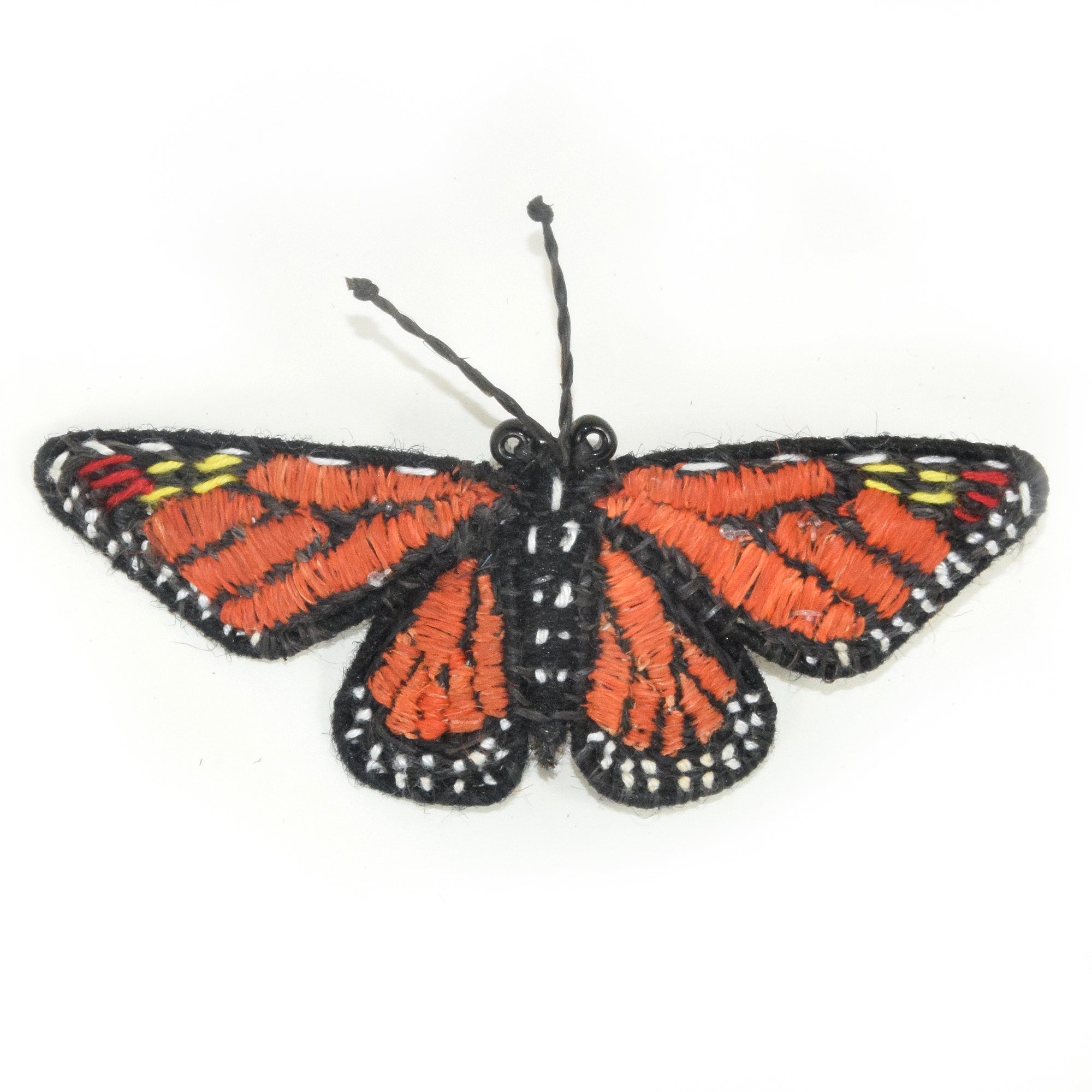
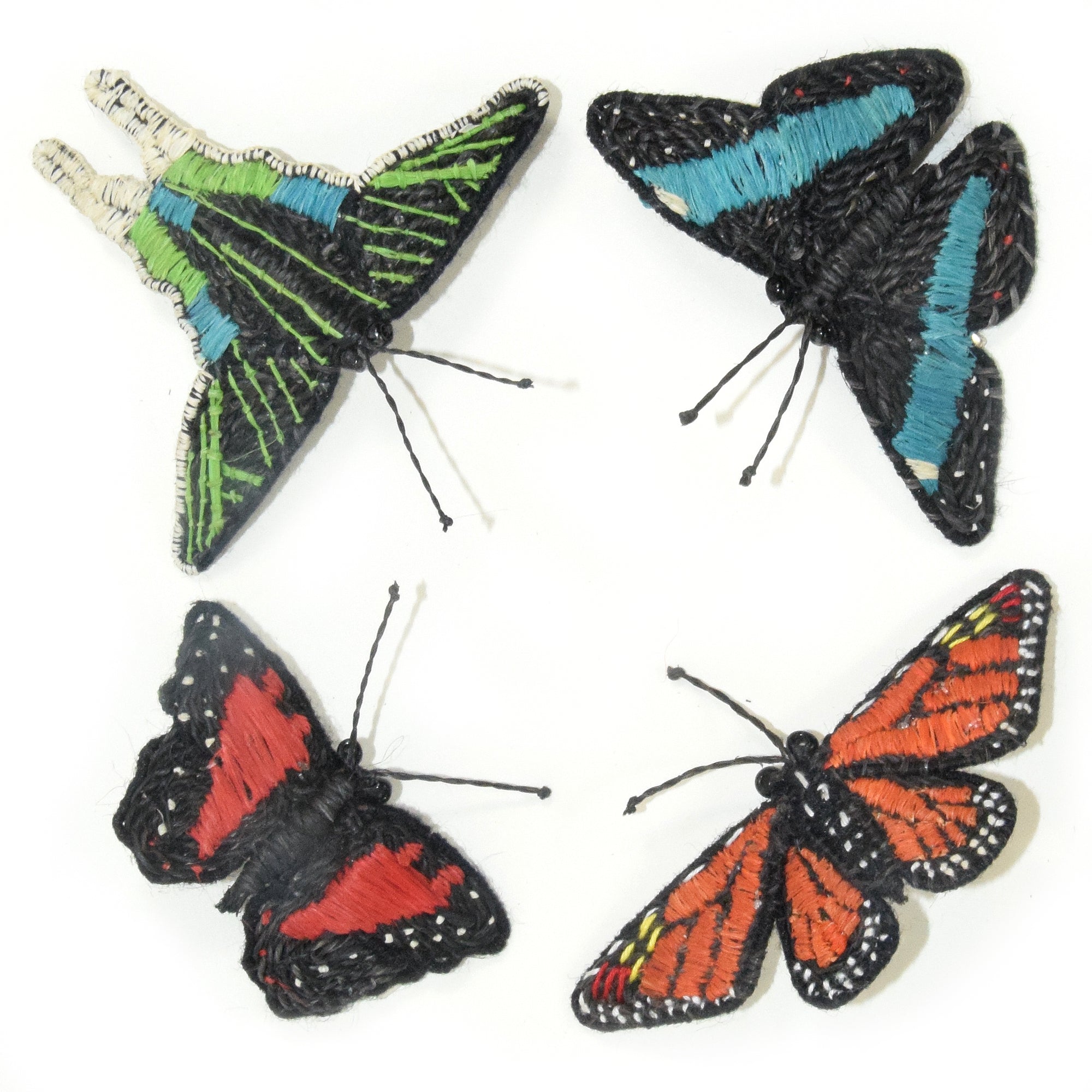
Beyond improving the skills of individual artisans, we have supported artisans forming associations so they could establish consistent pricing and quality and access new markets. These efforts have included doing workshops about organization and leadership, how to sell to retail and wholesale buyers, basic computer literacy, and how to take and use photos and video to highlight their crafts and share their stories through the internet. We have helped many partners become legally registered which gives them access to government sponsored craft fairs in major cities throughout Peru. One success story is the Mariposas (butterfly) group in Brillo Nuevo which took its name from its success embracing the AE sponsored training to make colorful butterfly ornaments and developing a cadre of women artisans able to accept and fill large orders for these handmade crafts. Some groups, however, prefer not to become official because it requires more responsibilities for accounting and paying taxes. The biggest challenge for most associations remains their over dependence on one enthusiastic leader which generates resentment, disfunction and burnout. Participating in AVP workshops has helped address some of these issues, but helping groups to improve their effectiveness very much remains a work in progress.
As the abilities of our artisan partners to make crafts with higher quality, consistency, and numbers, the ways that we have tried to provide markets to sell their crafts in the US has also grown and evolved. For the first nine years, we focused on having a table or two at a church fair or a supporter’s home after a presentation. After the diversity of crafts expanded, we attended our first music festival as a vendor in 2015. We then joined the festival circuit and with the help of fellow vendors learned which events to try and figure out which ones were the best fit for our crafts and fair-trade message.
We joined the Fair Trade Federation (FTF) in 2016 and have progressively learned how to apply the nine fair trade principles with our artisan partners, identify which products are most attractive to stores, and how to effectively work other fair-trade importers and wholesale customers. My journey from environmental activist to ecologist to social entrepreneur has been a long one, and I couldn’t have made it this far without a lot of helpful advice and encouragement.
Even before we joined FTF, we have reinvested part of our sales to support the well-being of our partner communities. To support health care, we built a community pharmacy in one village and donated medicines and equipment including an portable oxygen tank, childbirth tools, and a microscope to analyze blood samples to detect malaria in others. To support education, we built a bathroom for an elementary school in one village, provided notebooks and pencils to young students, and donated a printer and other office supplies to schools in others. Our support for conservation has focused on supporting the sustainable harvest and reforestation of chambira palm trees.
During COVID, our desire to help our partners through this crisis took the form of providing packs of food for artisan families and medicines for their clinics. After the worst had passed, we hosted a workshop that brought together traditional healers and volunteer community health agents to share their knowledge and experiences using medicinal plants and learn how to measure temperature, blood pressure, and other basic techniques from western medicine. We passed along half a dozen oxygen generators to communities donated to us by a manufacturer. Our contributions were modest in relation to the need, but they were greatly appreciated by our partners who felt that our small group had done more than many large NGOs and government agencies.
Another key partnership that has evolved to support community well-being has been with the Days for Girls organization. Women volunteers from a chapter based in Camp Hill, PA have sewn and provided us with over 300 kits containing washable cloth menstrual pads and panties that we have given to girls and women in seven communities. Every time we have donated these supplies, we pair it with a presentation about the often-tabu subject of menstruation so young females can better understand this natural biological aspect of their gender. These kits have allowed these young a to take care of their monthly needs without having to buy feminine hygiene products and then dispose of them in their communities.
The major third leg of our program work has been supporting our artisan partners to carefully harvest chambira palm leaves and create a sustainable supply of this material that is essential for all of their woven crafts. In the past, most artisans acquired their chambira from trees in the forest, palms appearing in their fields through natural regeneration or buying it from people from distant villages with abundant forests. As their desire to produce and sell more crafts increased, so did their need for a larger, cheaper and more reliable source. Our first step to meet this goal was donating pruning saws to artisans so they could harvest a leaf spear without damaging an adjacent stem as often occurs when cutting it with a machete. Building a future supply has involved teaching artisans how to collect chambira seeds not infected by insects, build backyard nurseries to germinate the seeds in planter bags and care for the seedlings, transplant the seedlings to their fields when they are less vulnerable to rodent predation, and supporting work parties to weed out competing plants so they can grow well. We have conducted inventories of chambira trees and their plots to register them as plantations (so the products made from them can be recognized as coming from a sustainable source). We have also measured the amount of chambira needed to make different types of products and encouraged the artisans to make crafts that use this vital resource in a frugal way. Making one hammock for example can consume 10 to 20 leaf spears representing the total annual production of 5 to 10 trees. In contrast, one leaf spear can yield 10 to 20 bird ornaments.
While the technical aspects of managing chambira have taken time, they have been relatively straight forward compared to the social aspects. While demand for the chambira leaves was increasing, we heard repeated reports that chambira leaves were being cut from the trees by some people without permission from the owners. We addressed this issue in Brillo Nuevo with support from the Creative Action Institute which funded a workshop that encouraged people to share the importance of chambira to them from an economic, cultural, and spiritual level. They then painted a mural on the outside wall of the primary school to illustrate these values. After a community-wide meeting was held to present these concerns, the theft of chambira dramatically declined.
We have always sought to support the creation of partners in Peru that could become as self-sufficient as possible. We took an internal step in this direction in 2020 by forming Amazon Ecology (Peru) as an independent non-profit organization in Peru to carry out our programs and community support work. Our small team with Yully and Tulio are doing this work well and have taken on the key task of writing grants to foundations.
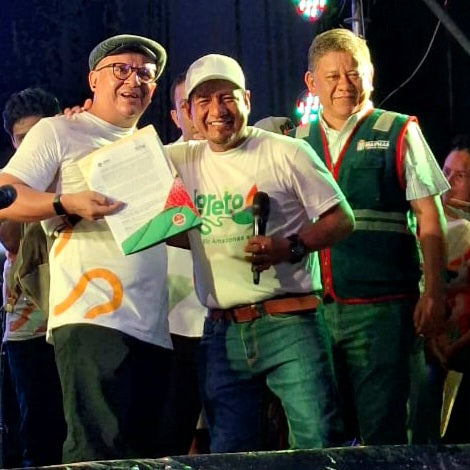
We also formed a Peruvian company Garza Viva to carry out the commercial aspects related to buying and selling crafts. Garza Viva rented a space near the main tourist section of Iquitos with the hope that we could offer our partners’ premium quality crafts to tourists. Our timing was unfortunate, though, since the store opened several months before the pandemic started in the spring of 2020. We consequently operated at a loss for a long time. Business picked up after the pandemic lifted, but it never thrived enough to be profitable. Iquitos has many fewer tourists than other popular spots in Peru, and we found that most tourists were content to buy lower quality souvenirs for a lower price. We eventually had to close the store last year. One of Garza Viva’s significant achievements was gaining recognition of the Marca Loreto – the regional government’s official recognition of the brand as one offering unique quality products. It opened the door for us to participate in national craft fairs, but results at these events were also disappointing. At some point, we will more deeply explore if and how we could operate in a major tourist hub like Cusco (gateway city to Macchu Picchu), but for the time being we are concentrating on building our market for our partners’ crafts in the US.
Selling crafts at music festivals has been a great way to sell a diversity of crafts, but it is a very time intensive strategy which is only profitable using volunteer labor so it is neither sustainable nor scalable. The main alternative paths open to us, therefore, seem to be increasing our sales to wholesale customers and shifting retail to online platforms. While we have had some success selling baskets and some other types of crafts to individual Ten Thousand Villages stores and other fair-trade shops, the number of TTV stores in North America has shrunk from 90 at their peak to less than ten today. This has prompted us to focus our artisan training activities almost exclusively on broadening our line of handmade woven bird ornaments which have been popular at in-person events, Wild Birds Unlimited franchise stores and other nature-oriented gift shops. We have now attended two national WBU shows as a vendor and recently joined the Museum Store Association to expand our outreach to new businesses so more people can see and hopefully buy our partners’ crafts.
In conclusion, we are proud of our achievements, continue to try to learn from our mistakes and develop new opportunities. Our vision of doing our part to create a sustainable future for the Amazon forest, communities and its people remains strong. So thank you for your critical role in supporting our journey to this 20-year landmark. We hope that you may continue to do so again as we look ahead.